AGP Executive Report
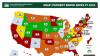
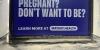
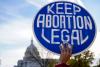
Last update: 2 hours agoSNAP Accuracy Watch: South Dakota is ranked #1 for accurate SNAP payments, with a 2.47% payment error rate in fiscal 2025—far below the national 10.62% average—while USDA says improper SNAP payments totaled about $10.1 billion nationwide. Budget Pressure Ahead: A new federal cost-sharing rule kicks in for states with SNAP error rates above 6%, meaning some states could face penalties starting in October 2027 if they don’t reduce mistakes. Rural Health Tech: Avel eCare highlights how “virtual health system” models can help critical access hospitals stabilize staffing and reduce unnecessary transfers—arguing it’s more than basic telemedicine. Local Health & Safety: Four people were seriously injured in a Brookings County head-on crash and airlifted to hospitals. Reproductive Care Legal Fight: A federal judge heard arguments in South Dakota over Mayday Health’s website and the state’s abortion-pill advertising ban, with both sides framing the case as either protected speech or illegal promotion. Community Health Events: Zoofari returns as an adults-only fundraiser for the Sioux Falls Zoo & Aquarium.
Note: AI summary from news headlines; neutral sources weighted more to help reduce bias in the result. Feedback is welcome. Please let us know if you have any comments or suggestions about the AGP Executive Report.

 Perspectify News